

About
ZAGR Virtual Herbarium
Research and Science
in Herbarium ZAGR


History and Research Focus
History and scientific activities
Herbarium ZAGR is an integral part of the Department of Agricultural Botany at the Faculty of Agriculture, University of Zagreb. The Department was founded shortly after the establishment of the Faculty of Agriculture and Forestry, on October 1, 1919. In the beginning, the Department did not have its own premises but was housed in the building of the Botanical Institute of the Faculty of Humanities and Social Sciences and the Croatian-Slavonian Agricultural Society. It moved to its current address in 1934, when Pavilion I in Maksimir was built. After the division of the Faculty into the Faculty of Agriculture and the Faculty of Forestry in 1960, the Department operated within both institutions until 1969, when it became an independent Department of Agricultural Botany. The herbarium collection did not exist at that time.
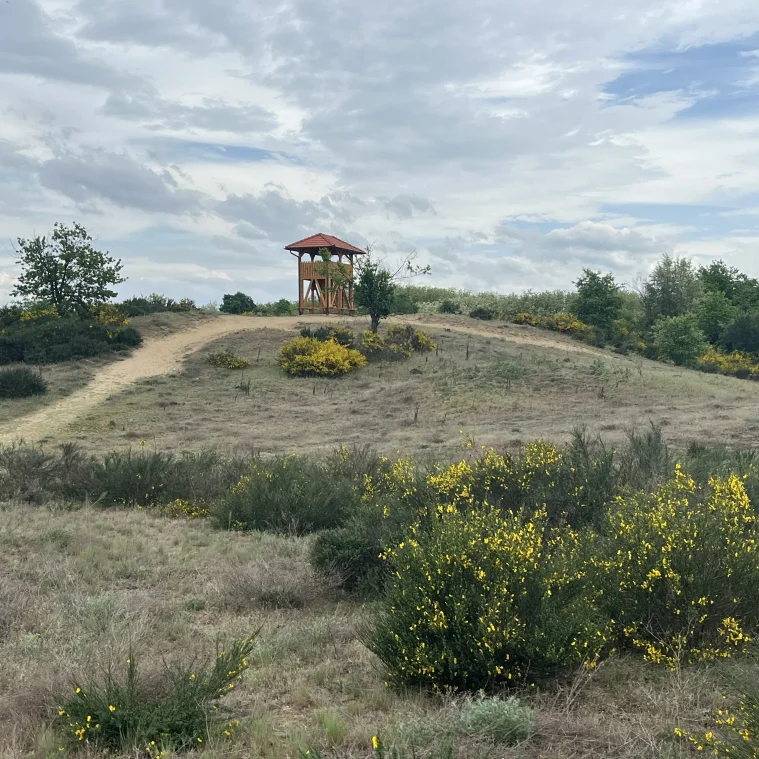
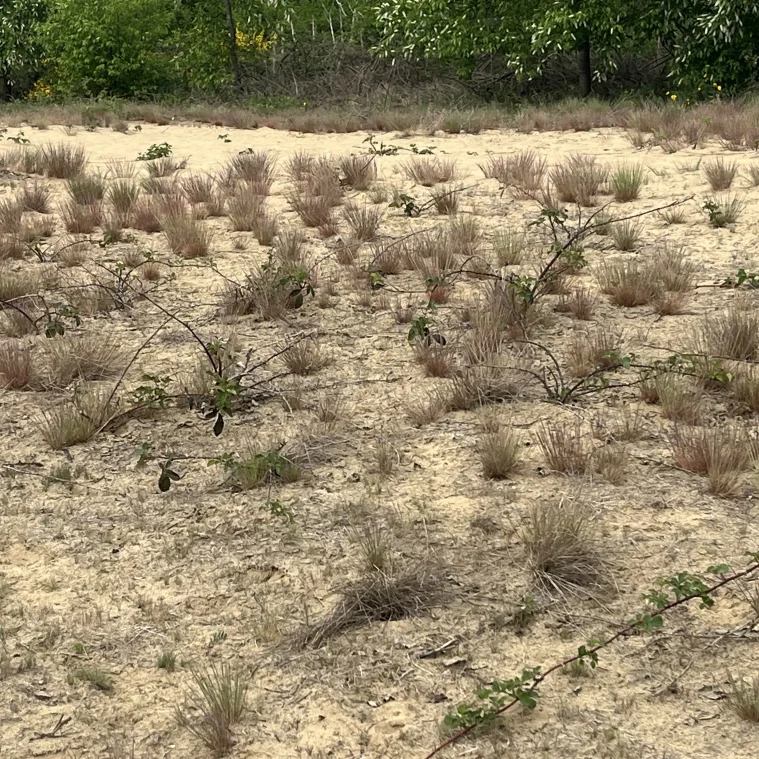
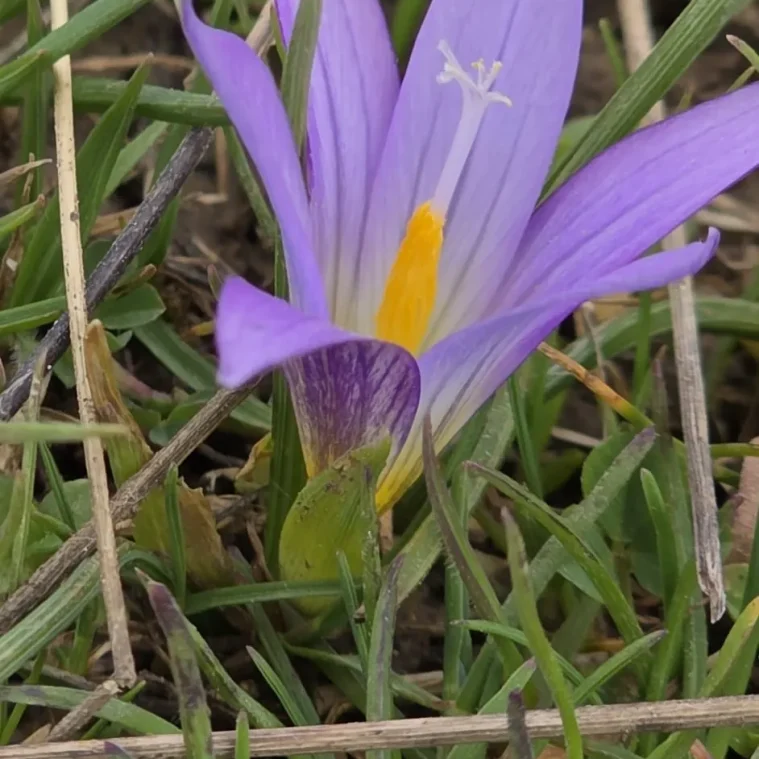
The scientific and professional activity of the Department of Agricultural Botany is focused on floristic, morphological, and anatomical research of various cultivated and wild vascular plant species of Croatian, Balkan, and Mediterranean flora. A significant place belongs to the research of flora and vegetation, which primarily encompasses grassland and weed vegetation, as well as succession stages of grassland vegetation. Furthermore, potential new localities, threatened habitats, and the general distribution of rare and endemic plant species in Croatia are investigated. As part of floristic research, the Department is engaged in flora mapping in the Adriatic and continental regions of Croatia. Within plant systematics and broader taxonomic research, which include morphological, anatomical, cytological, and molecular aspects, special attention is devoted to certain plant genera as well as endemic and rare species of Croatian and Mediterranean vascular flora that are of broader botanical interest. A part of the Department’s scientific work is related to studying the morphological and molecular diversity of forage species, aiming to preserve plant genetic diversity in gene banks and their in situ and ex situ protection.
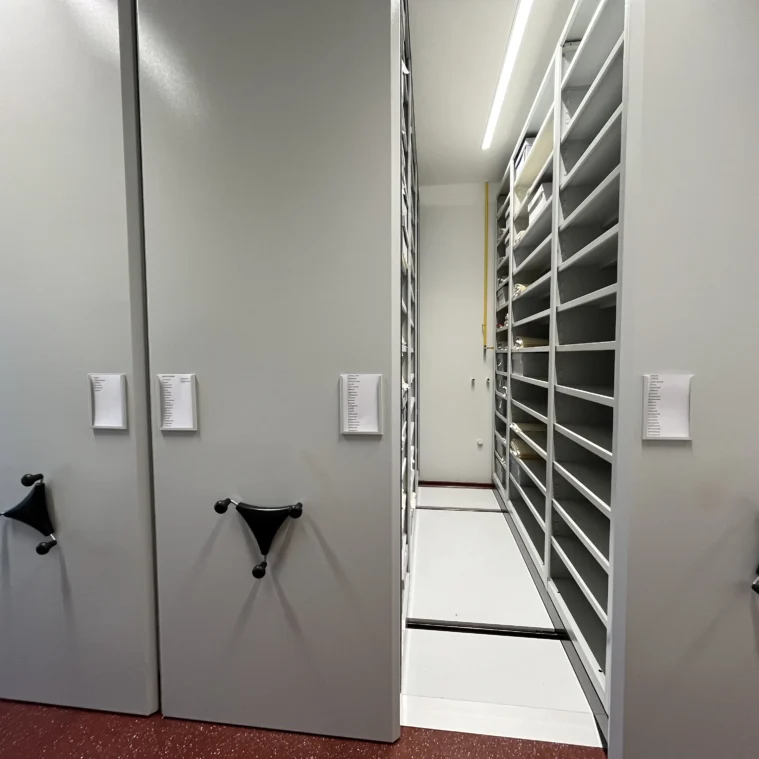
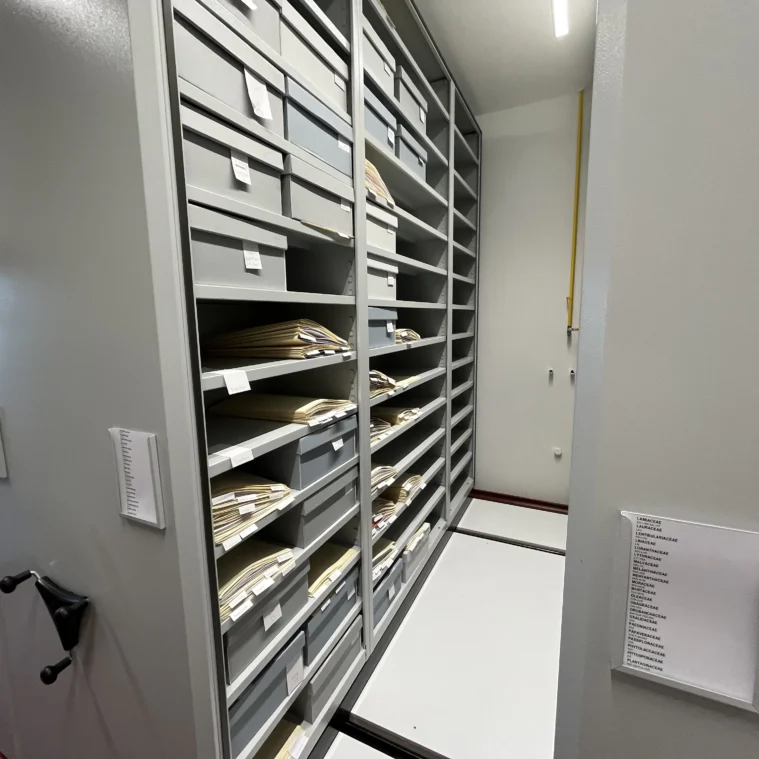
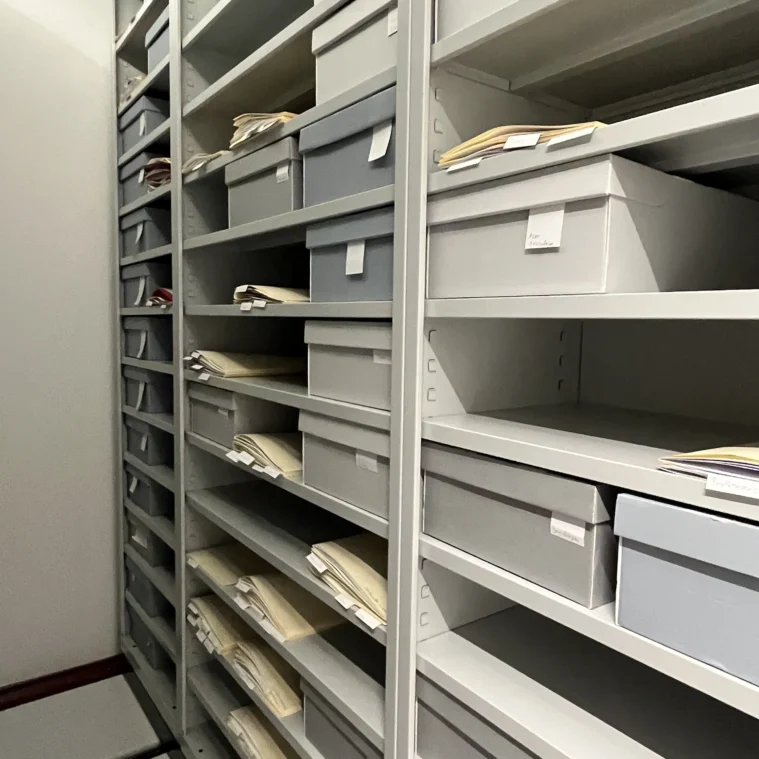
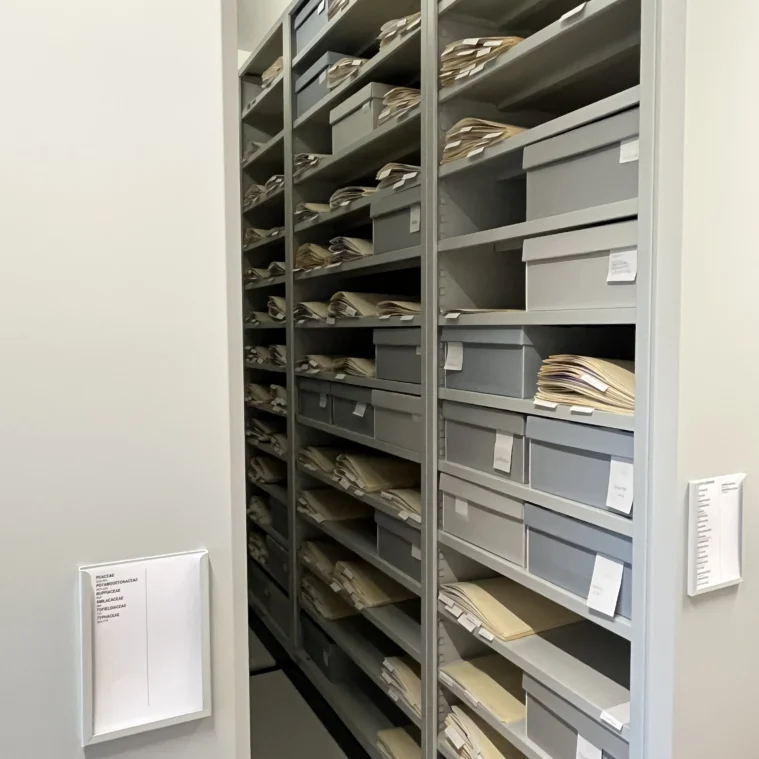
ZAGR herbarium
Currently Croatia has thirteen officially registered herbarium collections. The Herbarium ZAGR of the Faculty of Agriculture was founded in January 2013 and it is one of the youngest in Croatia. The international acronym ZAGR is provided by Index Herbariorum and currently has databased 10,000 herbarium specimens of vascular plants, especially rich in specimens from Croatia, other Balkan territories and from the Mediterranean areas. It is estimated that the herbarium collection contains around 30,000 specimens that have not yet been sorted and databased.
Organization and maintenance of the collection
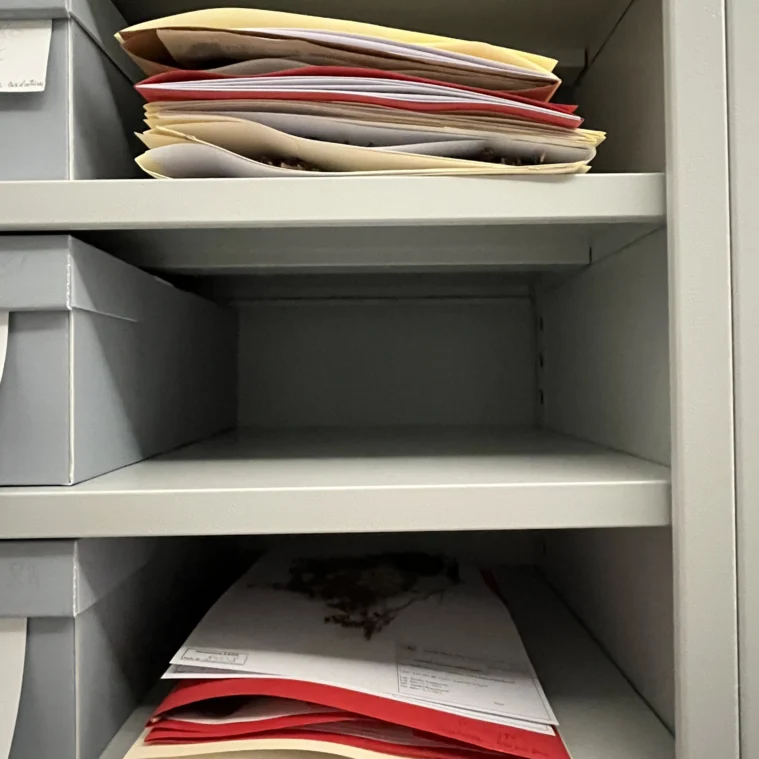
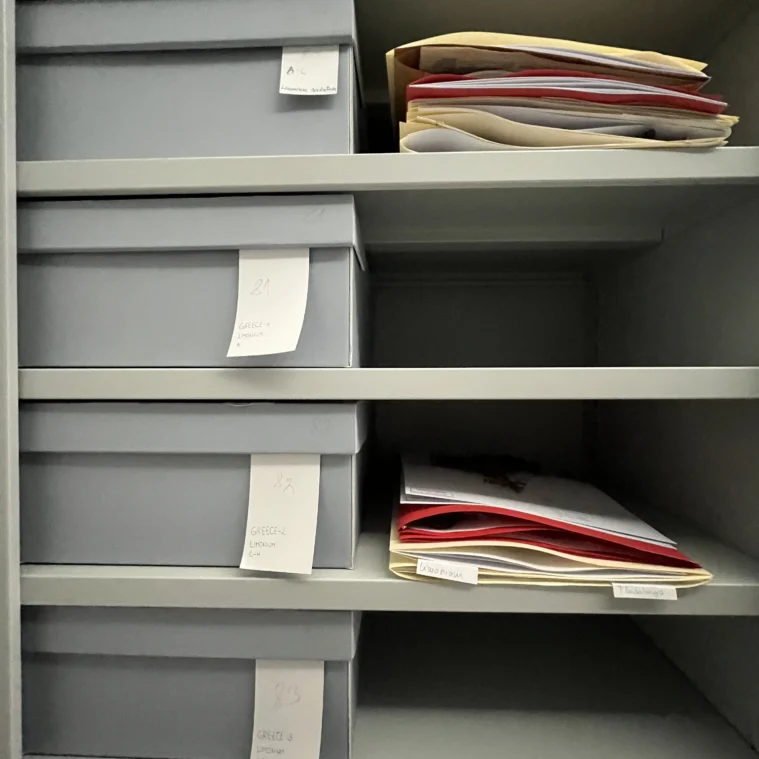
The collection is stored in a separate room on the second floor within the Department of Agricultural Botany where the mean annual temperature varies from 15 to 20°C and humidity is approximately 30%. Organization and maintenance of collection is in accordance with international recommendations. After drying, the plant material is frozen at -20°C for 3-4 days (repeated twice) to preserve it from damage of herbarium pests. After that, the plant material is mounted and fixed with pH neutral adhesive tape on herbarium sheet of dimension 42.5 x 29 cm; herbarium labels are glued with Gaylord pH neutral white adhesive and whole materials are stored in hard paper herbarium boxes. The collection is organized according to APG classification, in alphabetical order of families. Genera are also arranged in alphabetical order in herbarium boxes; within the boxes the species envelopes of dimension 42.5 x 30.5 cm are also arranged in alphabetical order for easier material handling.
Digitalization of ZAGR collection
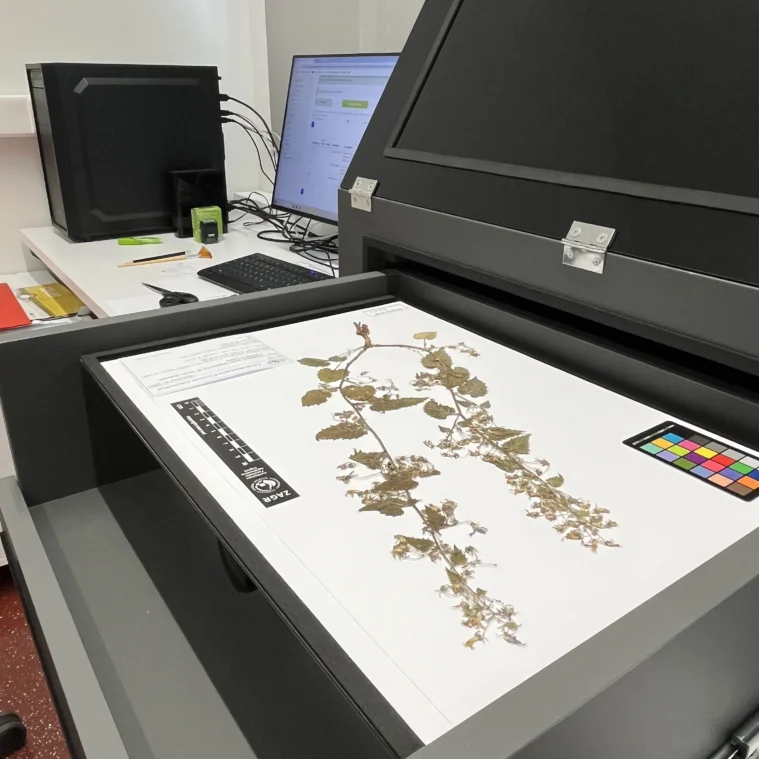
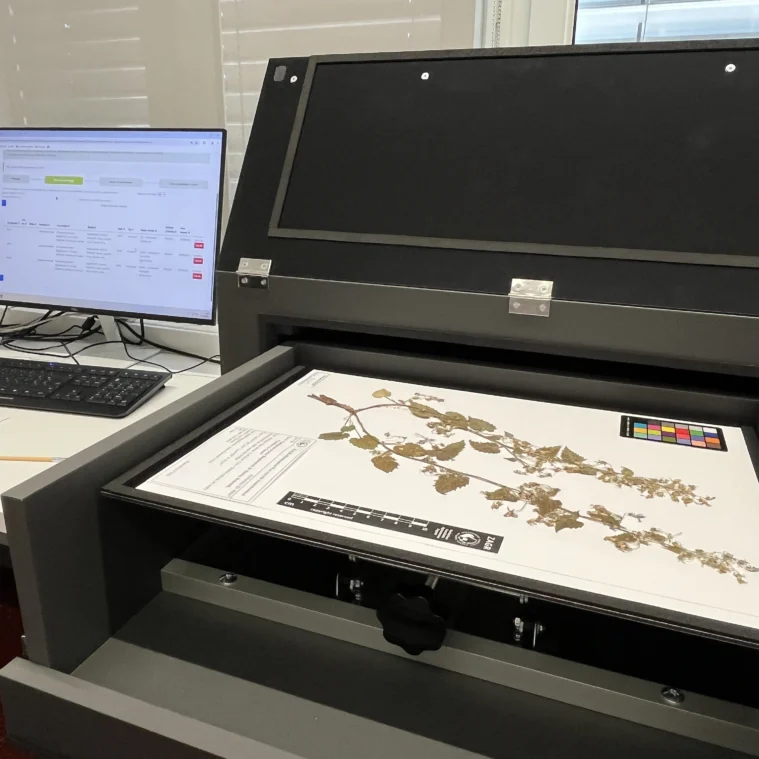
Digitalization of individual herbarium sheet is processed by scanner Epson Expression 12000 XL and elaborated with adequate software. The basic file for each herbarium sheet has 300 dpi in TIF format and max. 50 MB size. Scanned images of herbarium sheets are uploaded in ZAGR Virtual Herbarium database using the platform of Flora Croatica Database. Each herbarium sheet contains following metadata on herbarium label: herbarium ID, taxon name, locality, habitat, geographical coordinates, name and surname of collector(s), collecting data, name and surname of determinator, data of determination and notes if necessary. Herbarium sheet also contains in left angle stamp with ZAGR herbarium ID, colour plate and ruler. The total number of digitized specimens can be tracked on the main page of our virtual herbarium.
Type specimens
Type specimens are some of the most valuable specimens that an herbarium collection can possess. There are about 40 of them stored in the ZAGR collection. These are specimens of recently described new plant taxa for science within the genera Allium, Campanula and Limonium from the areas of Croatia, Albania, Greece, and other parts of the Mediterranean. These specimens are not separately isolated but are within the genera folders and are kept in red envelopes. Type specimens cannot be sent on loan, but scanned images and photographs are available for exchange and examination upon a request and are accessible throughout ZAGR Virtual Herbarium database.
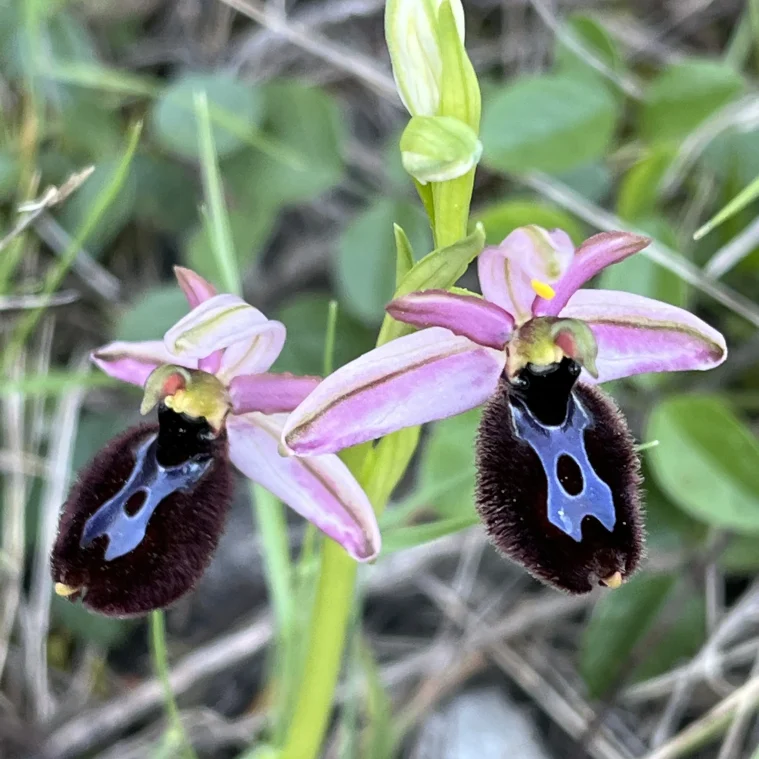
Floristic and Vegetation Studies
Research Projects
Prevention and management of adverse impact of ornamental invasive alien plant species on endangered habitat types and species of EU importance
Read moreInovativni uzgoj strogo zaštićne vrste Arnica montana primjenom hidroponskih tehnika (ARNIHID)
Gradska i prigradska poljoprivreda za klimatsku otpornost i sigurnost hrane (CLIMAGRISAFE)
Read moreEstablishment of collection of cultivated plants in Herbarium ZAGR
Read moreNovi biopolimerni materijali za održivu ishranu i očuvanje kvalitete jagodastog kultiviranog i samoniklog voća (BIOJAGODA)
Read moreDigitalisation of Herbarium ZAGR of the Faculty of Agriculture in Zagreb
Read moreEthnobotanical research of traditional usage of wild growing plants on Ćićarija
Read moreResearch of traditional usage of wild growing plants of Kršan County
Vascular flora mapping of Gornji Kamenjak: pilot study
Read moreVascular flora mapping of Gornji Kamenjak: pilot study 2
Read moreRare plants of the Adriatic region
Read moreConservation of grassland and pasture plant diversity of Ćićarija Mt
Read moreOčuvanje, održivo korištenje i razvoj genetskih izvora u poljoprivredi
Read moreInventarizacija vaskularne flore otoka Veliki Brijun
Read moreSelekcija i kemotipizacija prirodnih populacija planike s područja Istre i Dalmacije
Read moreUspostavljanje kolekcije kultiviranih biljaka u Herbariju ZAGR
Read moreInventarizacija i nadopuna popisa flore otoka i otočića Nacionalnog parka Brijuni u 2019. godini
Read more„Flora Dinare – (100) najčešćih vrsta” vodič kroz biljni svijet planine Dinare
Read moreInventarizacija vaskularne flore Park-šume Brdo Soline kod Vinkurana
Read moreInventarizacija vaskularne flore otoka Veliki Brijun
Read moreFilogeografija i evolucija triju ekološki divergentnih grupa amfi-jadranskih biljaka
Read moreSamonikle jestive biljke Hrvatske – zdrava hrana iz prirode
Read moreZnanstveni centar izvrsnosti za bioraznolikost i molekularno oplemenjivanje bilja (CroP-BioDiv)
Read moreNext-generation systematics of the south-eastern European genus Aurinia (Brassicaceae): evolution and phylogeography of an intricate plant group
Conservation of grassland and pasture plant diversity of Ćićarija Mt
Read moreIzrada elaborata Karta staništa i smjernice za održivo upravljanje staništima na području Značajnog krajobraza Donji Kamenjak i medulinski arhipelag
Read moreGenetic diversity of Centaurea ragusina L. – conservation and protection of genofond
Taksonomija, ekologija i upotreba rogača (Ceratonia siliqua L.) i lovora (Laurus nobilis L.) u Hrvatskoj
Lokalna etnobotanička upotreba samoniklog i kultiviranog bilja na području južne Istre
Scientific and Professional
Expertise of the Department
Services
Staff of the Department of Agricultural Botany and Herbarium ZAGR are experts in floristics, taxonomy, and plant diversity, qualified to provide the following scientific and professional services:

Flora and vegetation mapping

Taxonomic and biosystematic studies

Morphological and anatomical research

Plant naming and identification

Development of environmental studies

Assessment of plant diversity condition

Exchange of herbarium samples

Samples for molecular studies

Mentoring student research projects
Mentoring PhD, master's and bachelor's theses
Mentoring student professional projects
Mentoring student internships
Rooted in science, growing online
From field to herbarium folder — our specimens document plant diversity and support taxonomy
Our Team
The Herbarium ZAGR is supported by a team of experienced botanists dedicated to the study, preservation, and documentation of plant diversity.